ServicesPanel Cleaning
Solar Panel Cleaning in Allen
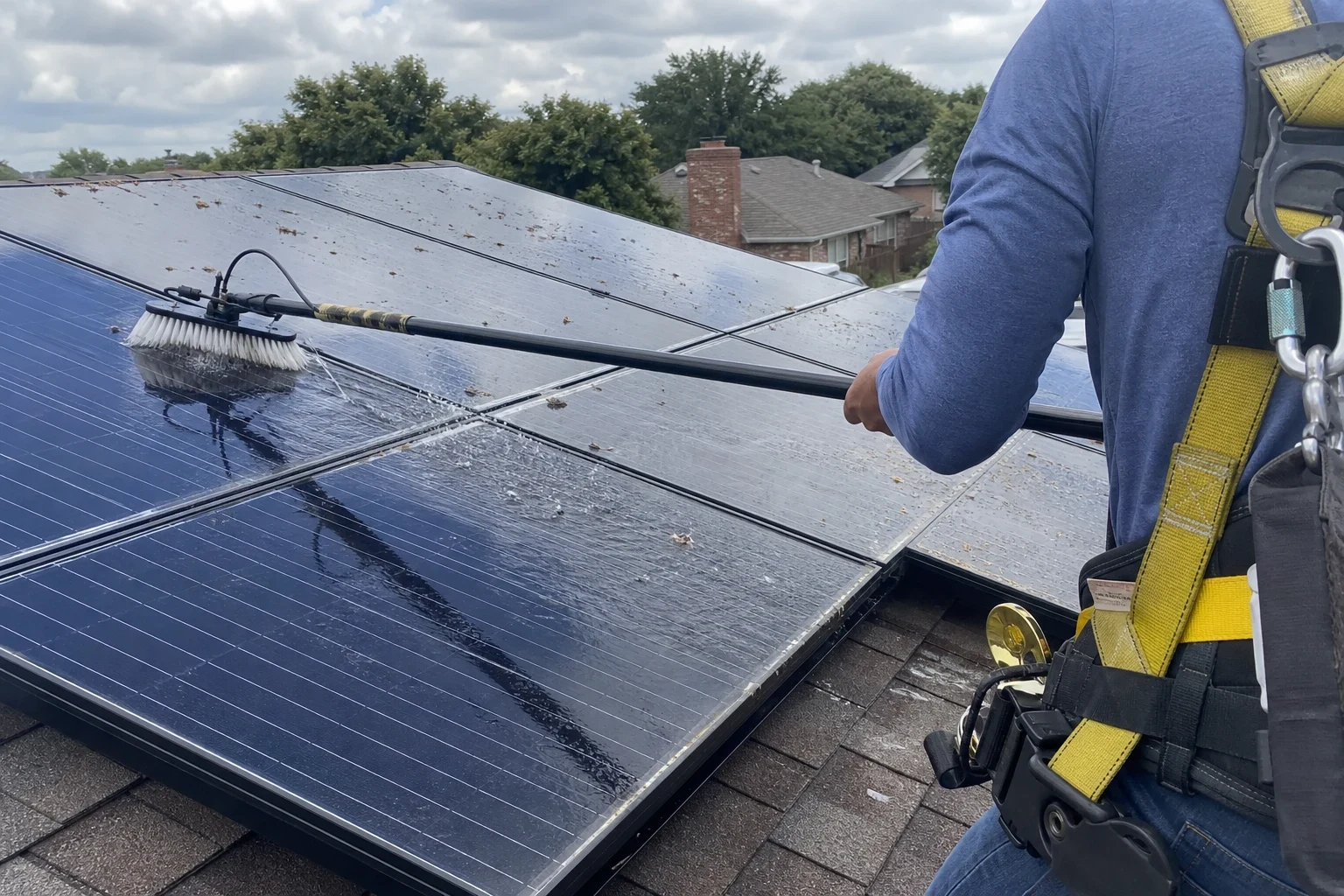
Dust, pollen, bird droppings and storm debris block light before it reaches your cells. We wash your array with deionized water and soft brushes, inspect the glass and frames while we are up there, and show you the production difference afterward.
What a Proper Cleaning Does for Your System
Solar panels lose output when anything sits between the sun and the cells. A light film of dust trims production a little. Bird droppings and caked mud do more harm, because one shaded cell forces its bypass diode to switch on and can drop a whole section of the panel out of the string. Left long enough, a covered spot can run hotter than the cells around it.
Rain does not fix this. It moves dust to the lower edge of each panel, where it dries into a muddy line along the frame. Spring pollen and dry summer wind in North Texas add a new layer every few weeks, and a thunderstorm can leave leaves, twigs and grit stuck to the glass.
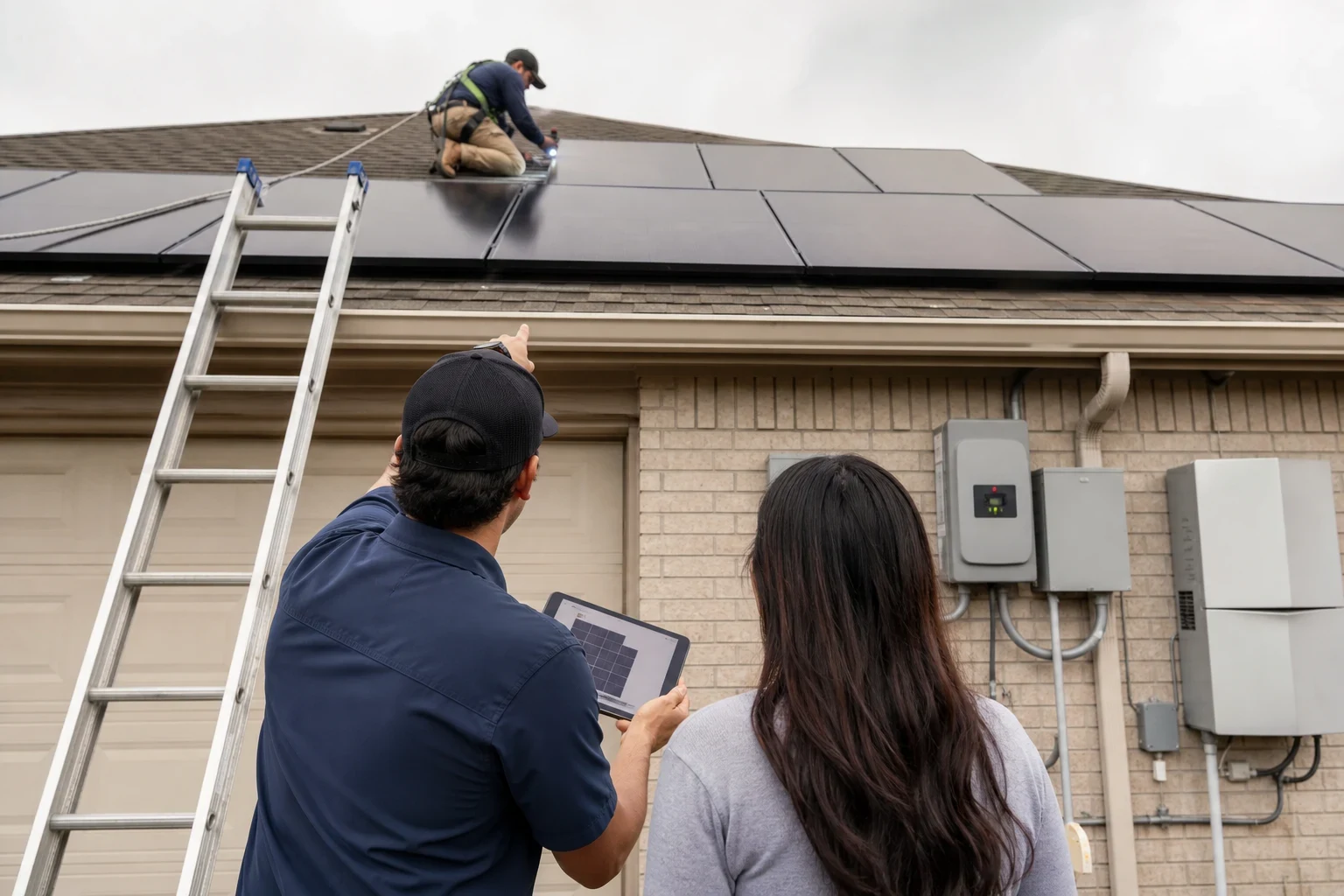
Because we install and repair solar, we clean like technicians. Every cleaning includes a look at the glass, frames, racking and wiring, so a cracked panel or loose connector gets found early, not after it has cost you months of production.
What Our Panel Cleaning Includes
- 01
Deionized water rinse
We use filtered, deionized water. Local tap water is hard and leaves mineral spots that scatter light, which is the problem you paid to remove.
- 02
Soft-bristle brushing
Panels have tempered glass with an anti-reflective coating. We use soft brushes and no pressure washers, abrasive pads or harsh detergents, which can wear that coating and conflict with module care instructions.
- 03
Debris removal around the array
We clear leaves and twigs packed under panel edges and around the racking, where they hold moisture and give nesting birds a foothold.
- 04
Visual damage check
We look for cracked or shattered glass, hail impact marks, bent frames, loose clamps and chewed or sagging wiring. Anything we find is photographed so you can see it yourself.
- 05
Before-and-after output comparison
If your inverter or monitoring app reports production, we note readings before and after cleaning under similar sun, so you see what the work changed.
Questions about Panel Cleaning?
Call(972) 893-1119Signs Your Panels Are Due for Cleaning
Production has slipped on sunny days
Compare clear-sky days in your monitoring app from month to month. A slow, steady drop with no error codes usually points to soiling.
Visible film or a dirt line at the bottom edge
A gray haze or brown band along the lower frame means rain has been moving dirt down the glass, not off it.
Bird droppings or nesting
Droppings shade individual cells and trigger bypass diodes. Birds under the array also bring debris and can chew wiring.
After a storm or high-wind day
Mud, leaves and grit from a passing storm stick to wet glass and bake on. Cleaning soon after also lets us check for hail impacts or cracked glass while the details are fresh.
End of pollen season
Spring pollen leaves a sticky yellow layer that rain alone rarely clears.
How a Cleaning Visit Works
- 1
Start with a phone conversation
Give us a rough panel count, how many stories sit below the roofline, and any drop you have spotted in your monitoring app. We pick a visit time and explain how we arrive at the price.
- 2
Check data and inspect first
On arrival we note current output and look the array over before any water touches it. If glass is cracked, we stop and photograph it, since washing a broken module can push water inside it.
- 3
Clean while the glass is cool
We work in the cooler part of the day. Cold water on sun-heated glass causes thermal stress and also dries into spots before it can be rinsed.
- 4
Rinse, brush, rinse
Each panel is wetted, brushed with soft bristles and given a final deionized rinse that dries without residue. Debris under the edges is cleared by hand.
- 5
Walk you through the results
You get the after readings, photos of anything worth watching, and a straight answer on whether the next step is simply another cleaning or a visit from our solar repair crew.
What Affects the Cost of Panel Cleaning
Cleaning is priced from your array and your roof, not a one-size rate. We go over these factors on the phone and confirm the price before we start, so nothing gets added at the end.
- Array size and layout
- Each additional panel adds water and minutes on the roof. An array spread over three or four roof planes means moving hoses and resetting footing more often than a single rectangular group does.
- Height and slope of the roof
- Two-story eaves and a steep pitch call for more fall-protection setup and slower footing than a low single-story roof. That setup time is built into the price.
- How heavy the soiling is
- Light dust rinses quickly. Baked-on droppings, storm mud or a year of buildup needs extra passes.
- Debris and nesting under the array
- Packed leaves or nests under the panels add hand work. If you want critter guards added, we can talk that through as a separate item.
Panel Cleaning Questions
How often should my panels be cleaned?
For most homes around Allen, once or twice a year is enough, often after spring pollen and again in late summer. If your home backs onto open fields, an active building site or trees where birds like to roost, plan on extra visits. A steady slide in clear-day production tells you more than the calendar does.
Is it okay to rinse the panels with my own hose?
From the ground, a gentle rinse will move loose dust. It will not lift droppings or baked mud, and hard tap water leaves mineral spots as it dries. Stay off the roof and skip the pressure washer. Stepping on a module can create microcracks you will never see but will notice in production.
Will cleaning affect my panel warranty?
Most manufacturers ask for soft brushes and plain or deionized water, and warn against pressure washing and abrasive cleaners. That is how we clean. If you have your module paperwork handy, we can check its care instructions with you.
Does homeowners insurance pay for cleaning?
Routine cleaning is maintenance and generally is not covered. Storm damage to panels may be a different matter. If we find hail impacts or cracked glass, we photograph it so you have clear records for your insurer.
What if you find damage while cleaning?
We stop, show you the photos and explain what it means for output and safety. Repairs are scheduled as a separate solar repair visit, so you decide on them with the facts in front of you.
Why should I pick your company for cleaning?
We are BBB Accredited with an A+ rating, and the people cleaning your array know how it is wired and mounted. That means the inspection during a cleaning is a real look at clamps, connectors and glass, not a glance from the ladder.
Get Your Array Back to Full Sun
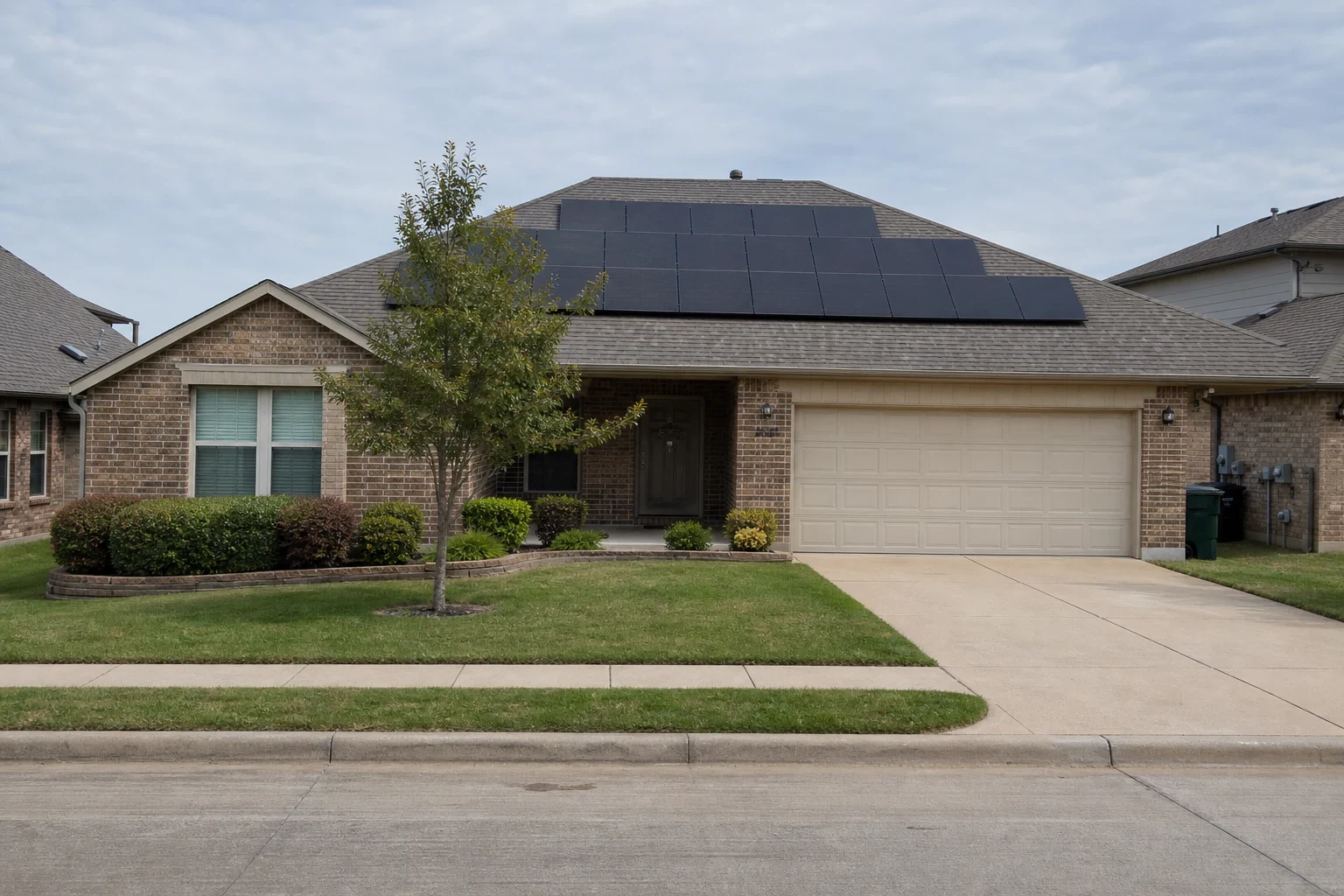
If your numbers have slipped or a storm just left your panels coated, a cleaning and inspection is a sensible first step. We serve Allen, Plano, McKinney, Frisco and nearby towns.